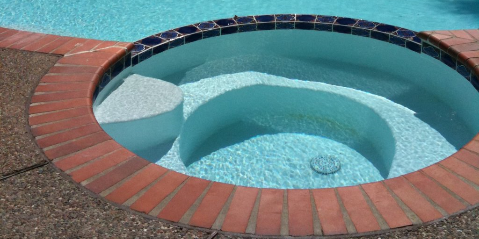
Pool Resurfacing in Pleasanton, CA
Shamrock Pool Fiberglass, Inc. has been serving Pleasanton, CA, and the greater Tri-Valley area since 2000. Pool resurfacing is one of our core services, and it keeps older plaster pools performing like new. If your backyard pool is showing its age, contact us today at (925) 284-7401 to request a free consultation and find out which resurfacing option is right for your pool.
What Pool Resurfacing Is and Why It Matters
Pool resurfacing means renewing the interior finish of a pool to restore appearance, watertight integrity, and comfort. Over time, plaster develops pits, stains set in, cracks form, and the once-smooth interior becomes rough enough to snag swimsuits. A dedicated resurfacing project addresses these problems at the root instead of masking them with repeated patching.
Replastering means applying a fresh cementitious layer over the existing shell. Resurfacing is a broader term covering new material applied over the existing pool body, which may include fiberglass, pebble, or quartz finishes. A fiberglass overlay bonds a smooth, non-porous shell over the original structure, resisting algae attachment and absorbing fewer chemicals. That means less ongoing maintenance.
When a plaster pool has cracked beyond what replastering can reasonably repair, Shamrock Pool Fiberglass, Inc. machine-applies a fiberglass shell directly over the existing pool body. The result is a finish smoother than traditional plaster and far more resistant to black mold.
What Are the Signs Your Pleasanton Pool Needs Resurfacing?
Your pool typically shows clear warning signs before the surface fails completely. Recognizing them early can protect you from more costly structural repairs.
Common signs that resurfacing may be needed include:
1. Plaster peeling or "spalling" on pool walls or the floor.
2. Persistent staining that cleaning and chemical treatment cannot remove.
3. Rough texture that scratches feet or skin, signaling surface erosion.
4. Visible cracks in the pool shell that may allow water loss.
5. Recurring algae blooms that resist normal treatment, often caused by a porous or damaged surface.
Pleasanton's warm, dry summers mean pools see heavy use from May through October, accelerating surface wear. Homes in neighborhoods like Ruby Hill and Castlewood were largely built in the 1990s or earlier, and pools of that age often benefit from a full surface renewal.
Our Pool Resurfacing Process in Pleasanton, CA
Shamrock Pool Fiberglass, Inc. brings a clear, step-by-step approach to every pool resurfacing project in Pleasanton, CA. The process may vary based on pool condition and surface material selected, but typically follows these steps:
1. Consultation and surface inspection to evaluate the existing shell and identify structural repairs needed before resurfacing.
2. Pool drainage and surface preparation, including cleaning, crack repair, and acid treatment to promote adhesion.
3. Application of the chosen resurfacing material using professional equipment for even, consistent coverage.
4. Curing and quality check to confirm the surface has bonded correctly and is ready for water.
5. Pool refill, water balancing, and a final walkthrough so the homeowner understands care requirements for the new finish.
The company is licensed through the Contractors State License Board and has operated as a family-owned, second-generation business since 2000. You can view completed projects in the
project gallery or explore the full range of services on the
services page.
Frequently Asked Questions
What Is the Difference Between Pool Resurfacing and Replastering?
Resurfacing applies a new surface material over the existing pool shell, often using fiberglass, pebble, or quartz finishes. Replastering refers specifically to a new cementitious plaster layer. Resurfacing materials typically offer a longer lifespan and a lower-maintenance finish.
How Often Does a Pool Need to Be Resurfaced in Pleasanton?
Most pool surfaces benefit from resurfacing every ten to twenty years, depending on material, water chemistry, and usage. Older pools in Pleasanton neighborhoods like Castlewood may be due for a full surface evaluation if resurfacing has never been done.
Is Fiberglass Resurfacing Better Than Replastering?
Fiberglass resurfacing is often preferred for pools with significant cracking or for homeowners who want a lower-maintenance finish. The non-porous surface resists algae and can outlast conventional plaster. Replastering may suit pools with minor cosmetic wear and a structurally sound base.
How Do I Get a Quote for Pool Resurfacing Near Pleasanton?
Contact Shamrock Pool Fiberglass, Inc. directly at (925) 284-7401 to schedule a consultation. The team will assess your pool's condition and recommend the most appropriate resurfacing solution for your needs and budget.
How Long Does Pool Resurfacing Take?
Most resurfacing projects take roughly five to fourteen days from start to finish, depending on pool size, surface condition, and preparation work required before the new finish can be applied.
Request Your Free Pool Resurfacing Consultation
Shamrock Pool Fiberglass, Inc. is ready to help Pleasanton homeowners restore their pools to a safe, beautiful condition. Whether you are in Ruby Hill, Castlewood, or anywhere else in the Tri-Valley, the team can assess your current surface and recommend the right resurfacing solution. Call (925) 284-7401 or visit the contact page to schedule your free consultation today.
Call Us Today • (925) 284-7401
YP Reviews
Payment Options

