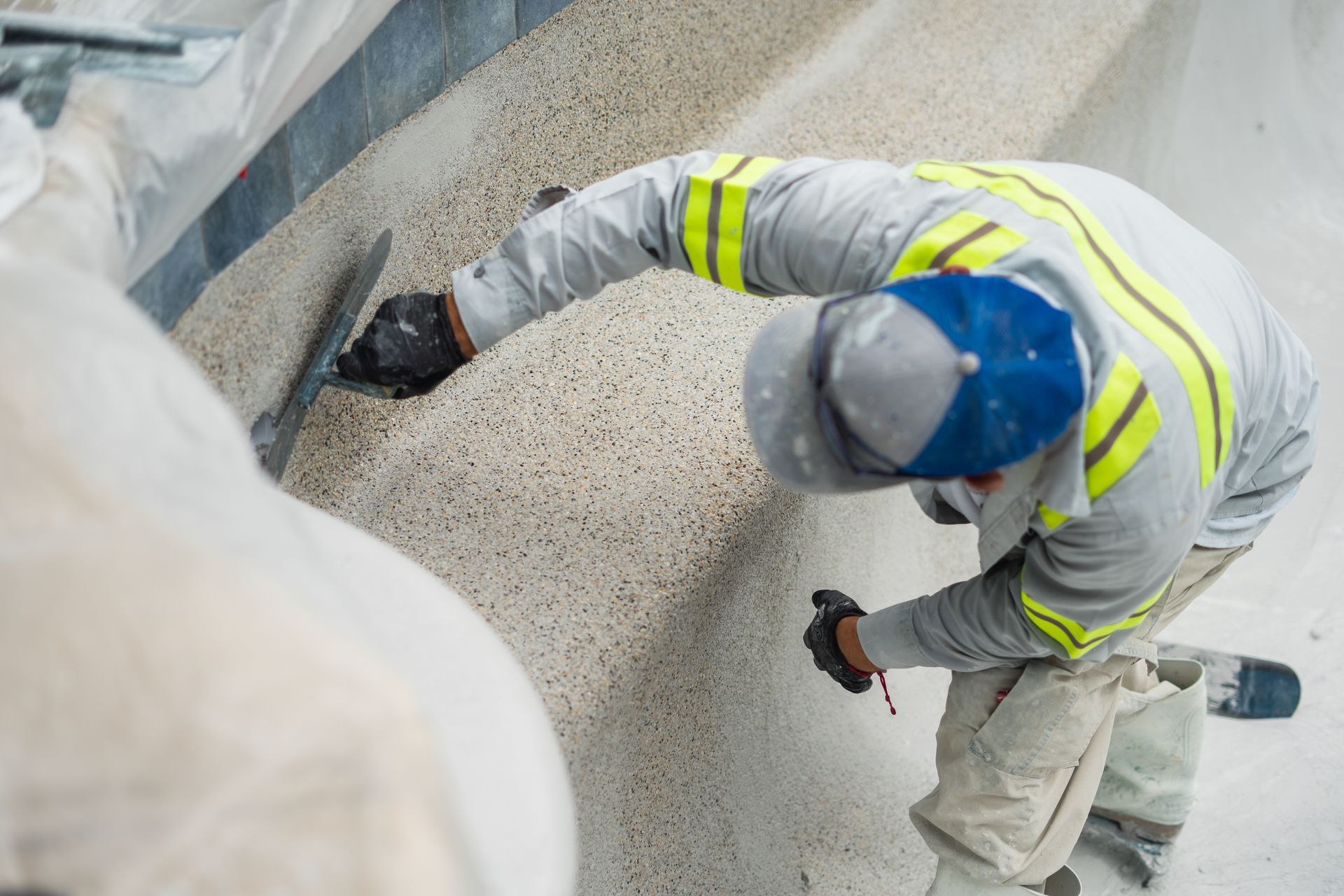
Fiberglass vs. Plaster Pool Resurfacing: Which Is Right for Pleasanton Homeowners in 2026?
Pool resurfacing in Pleasanton, CA, is a significant investment, and choosing between fiberglass and plaster can feel overwhelming. This article breaks down both options so you can make a confident, informed decision. Ready to talk through your options now? Call Shamrock Pool Fiberglass Inc at (925) 284-7401 for a free consultation.
Pleasanton sits in the Tri-Valley of Alameda County, CA, a region that includes Livermore, Dublin, Danville, and San Ramon. Summers here are noticeably warmer than coastal cities, with July highs around 88°F and inland heat events regularly pushing into the upper 90s. That warm, dry climate plays a direct role in how quickly pool surfaces wear down.
How Does Pleasanton's Climate Affect Your Pool Surface?
Pleasanton's environment puts real stress on pool finishes. The combination of hard water and warm summers creates conditions more similar to the Central Valley than the coast. High temperatures drive evaporation, concentrating mineral content, while thermal cycling stresses plaster and expansion joints.
Pleasanton is served by Zone 7 water, with hardness ranging from 7 to 19 grains per gallon depending on the season. Pool owners here regularly deal with calcium deposits on tile and gradual surface roughness. Pools in Pleasanton often need resurfacing closer to the 10-year mark for white plaster, rather than the 15-year upper range seen in softer-water regions. That shorter lifespan matters when weighing the true cost of each option.
Fiberglass vs. Plaster: Which Surface Lasts Longer?
Fiberglass resurfacing typically outlasts standard plaster by a wide margin. White plaster lasts 10 to 15 years before requiring replacement, while fiberglass surfaces can last 20 years or more with proper maintenance. Given Pleasanton's hard water, plaster timelines at the lower end of that range are common.
Fiberglass forms a non-porous surface that absorbs fewer chemicals and less organic material than plaster, reducing the amount of chlorine and pH adjusters needed. It also resists algae attachment because its smooth surface gives organisms nothing to grip.
Plaster has its own merits. It is a widely available finish with a classic look many homeowners appreciate, and a fresh plaster coat can be an accessible way to refresh an aging pool.
What About Pebble and Aggregate Finishes?
Pebble and quartz aggregate finishes occupy a middle ground between plaster and fiberglass, generally lasting 12 to 20 years. They offer better durability than standard white plaster and carry a natural aesthetic that suits many Pleasanton backyards.
The tradeoff is maintenance. Aggregate surfaces require regular brushing to prevent algae from settling into the textured finish, and in Pleasanton's hard-water environment, mineral scale accumulates more readily on rough pebble surfaces than on a smooth fiberglass gel coat.
Maintenance Demands You Should Know Before Choosing
Maintenance requirements differ significantly between surface types. Plaster surfaces typically require acid washing every 3 to 5 years, while fiberglass requires only light brushing with non-abrasive cleaners.
Plaster also interacts with pool water over its lifetime. Calcium can dissolve into the water, requiring careful chemistry management to prevent etching or scaling. In a hard-water market like Pleasanton, that extra maintenance load adds up over time.
Plaster may have a lower initial cost, but fiberglass can be more cost-effective in the long run due to its durability and lower maintenance needs. Request a free pool resurfacing quote<https://www.shamrockpoolfiberglass.com/pool-resurfacing-pleasanton-ca> to compare options for your specific pool.
Do You Need a Permit for Pool Resurfacing in Pleasanton?
Permit requirements depend on the scope of your project. Resurfacing or retiling alone usually does not trigger the same permit review as a structural remodel, but the final determination is made by the local building department.
California's Swimming Pool Safety Act requires that when a building permit is issued for construction or remodeling of a residential pool or spa, the finished pool must carry at least two of seven approved drowning prevention safety features. This can surprise owners who considered resurfacing purely cosmetic. Always confirm permit requirements with the City of Pleasanton's building department before starting work.
How Long Does Pool Resurfacing Last?
Lifespan depends on material and local water conditions. Fiberglass and pebble finishes can last 20 years or more, while replastering typically lasts 10 to 15 years. In Pleasanton, hard water may shorten those timelines, making material selection and water chemistry maintenance especially important.
Does Pool Resurfacing Require a Permit in Pleasanton, CA?
Resurfacing alone often does not require a building permit, but project scope matters. If your project involves equipment changes or structural modifications, a permit may be required. Your pool contractor should clarify this before work begins.
Why a Fiberglass Specialist Can Make a Difference
Not every contractor applies fiberglass membranes the same way. Fiberglass resurfacing involves machine-applying a shell directly over an existing pool structure, and proper technique is critical to adhesion and longevity. A specialist familiar with Tri-Valley conditions and Pleasanton's hard water may deliver a more durable result than a generalist.
Explore the full range of options on the services page to see what fits your pool and budget.
Get Expert Pool Resurfacing Help Serving Pleasanton
Shamrock Pool Fiberglass Inc specializes in fiberglass pool and spa resurfacing serving Pleasanton, CA, and the wider Tri-Valley area. Their machine-applied fiberglass membrane can transform an aging plaster pool into a smoother, lower-maintenance surface built to handle the region's hard water and warm summers.
Call
(925) 284-7401 to schedule a consultation, or
contact the team online to request a free quote. Visit the Shamrock Pool Fiberglass Inc listing on
Google Maps for business details, hours, and location information.